Prorated Rent Calculator Calculate Your Rent Fairly and Accurately
Moving into a new rental home in the middle of a month can make rent calculations confusing. You may not need to pay a full month’s rent, but instead, only the amount that covers the days you actually occupy the property. This is where a prorated rent calculator can make the process much easier.
Prorated rent calculation is based on the number of days you will occupy the home, which is based on your monthly rent. It can come in handy when relocating into a new apartment, when moving out of a rental before it expires, adjusting rent prices, or deciding the amount of rent to charge a roommate.
In this guide, you will get to know what prorated rent is, how it can be calculated, the working of a pro rata calculator, and how you can check if your rent is cost-effective.
What Is Prorated Rent Calculator ?
Prorated Rent Calculator meaning is simple: you pay only for the portion of the rental period that you actually occupy.
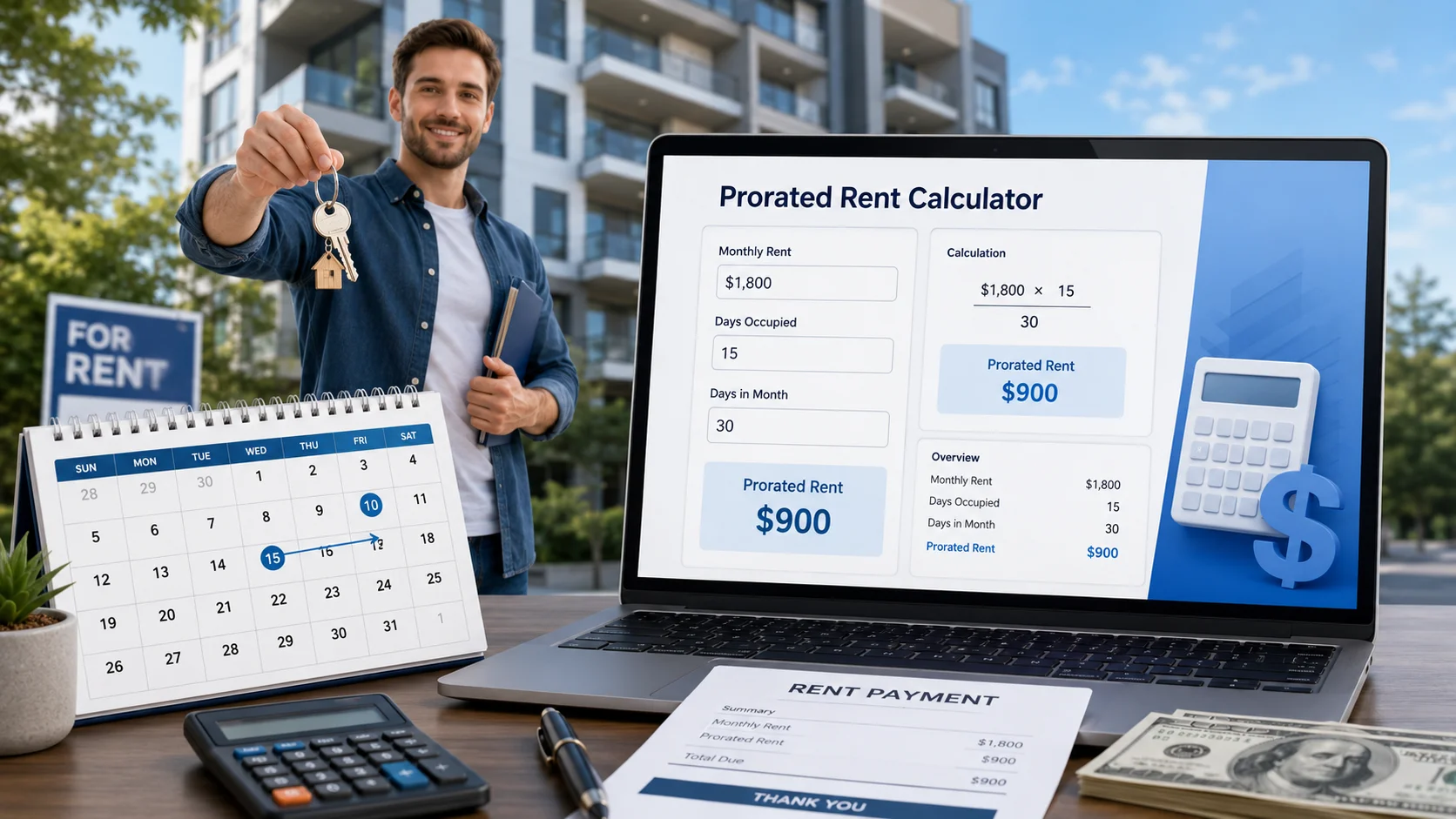
For example, suppose your monthly rent is $1,800 and you move into the property on the 16th of a 30-day month. Instead of paying the entire $1,800, your landlord may charge you only for the remaining 15 days.
The calculation would be:
Daily rent = Monthly rent ÷ Number of days in the month
Then:
Prorated rent = Daily rent × Number of days occupied
For a $1,800 monthly rent in a 30-day month:
$1,800 ÷ 30 = $60 per day
If you occupy the property for 15 days:
$60 × 15 = $900
Therefore, your prorated rent would be $900.
The exact method can vary depending on your lease agreement and local rental rules. Some landlords use the actual number of days in the month, while others may use a standardized 30-day calculation.
How Does a Prorated Rent Calculator Work?
A prorated rent calculator is a simple tool that allows you to calculate the prorated rent without having to do it yourself.
- Typically, you enter:
- Your monthly rent
- The beginning or end date of your tenancy contract.
- The length of the billing period.
- The length of time that you will stay at the property
The calculator then calculates the correct amount of rent to be paid forthe partial rental period.
For example:
Monthly rent: $2,000
Days in month: 31
Days occupied: 10
Daily rent:
$2,000 ÷ 31 = $64.52
Prorated rent:
$64.52 × 10 = $645.20
This can be particularly helpful when comparing different rental move-in dates or checking whether your landlord’s calculation appears reasonable.
How to Calculate Prorated Rent Manually
If you don’t have access to a calculator, you can calculate prorated rent using a simple formula.
Step 1: Find your monthly rent
Start with the full monthly rental amount.
For example:
Monthly rent = $1,500
Step 2: Determine the daily rental rate
Divide the monthly rent by the number of days used by your lease or landlord’s calculation method.
For a 30-day calculation:
$1,500 ÷ 30 = $50 per day
Step 3: Count the days you occupy the property
Suppose you move in on the 21st and are charged for 10 days.
Step 4: Multiply the daily rate by the occupied days
$50 × 10 = $500
Your prorated rent would therefore be $500.
Because landlords can use different proration methods, always check your rental agreement before making assumptions about the final amount.
Prorated Rent Example for Moving In
Imagine you sign a lease for an apartment that normally costs $2,400 per month. Your lease begins on August 21, and the landlord calculates rent using a 30-day month.
Your daily rent is:
$2,400 ÷ 30 = $80
If you are charged for 10 days:
$80 × 10 = $800
So your first partial month’s rent would be approximately $800 under this method.
After that, your regular monthly rent would return to $2,400.
A Prorated Rent Calculator can help you perform this calculation quickly, especially when dealing with different dates and rental amounts.
Why Is Prorated Rent Important?
Prorated rent helps make rental payments fair when a tenant occupies a property for only part of a billing period.
Without proration, someone moving into an apartment near the end of the month could potentially be charged for days when they were not living there.
It can be useful for:
- Mid-month move-ins
- Early lease termination
- Roommate changes
- Lease transfers
- Temporary rental periods
- Changing apartments
- Calculating a final rental payment
It also provides a straightforward way for tenants and landlords to understand how a partial month’s rent was determined.
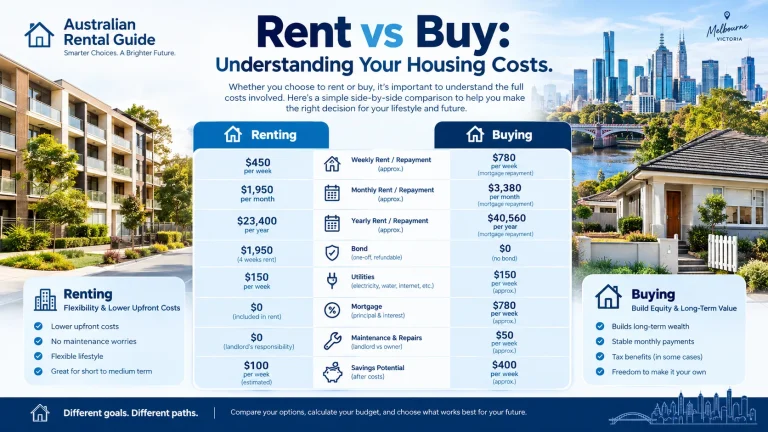
Rent vs Buy Calculator Which Option Makes Sense?
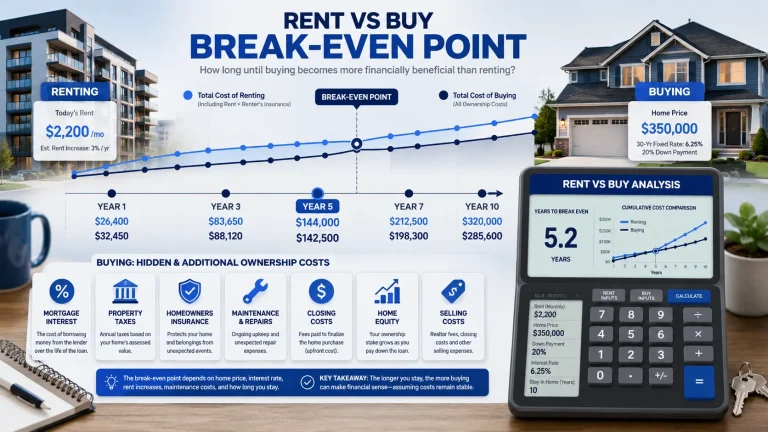
The cost of rent is not the only cost in housing. Use a rent vs buy calculator to compare the two options if you’re on the fence about renting or buying a home.
Renting may mean you need less initial investment and give you more flexibility. Purchase, on the other hand, can offer equity over the long haul in addition to closing costs, insurance, property taxes, maintenance, and mortgage interest.
When comparing a rent vs buy situation, more than the monthly payment should be taken into account.
When choosing a roof, compare:
- Monthly rent
- Mortgage payment
- Down payment
- Property taxes
- Home insurance
- Maintenance
- Closing costs
- The average period of use that the client anticipates.
- Potential property appreciation
A calculator can help organize these numbers and provide a clearer financial comparison.
What Is Rentometer?
Rentometer is a type of rental comparison tool that can help people evaluate whether a particular rent appears reasonable compared with other rental prices in an area.
When searching for an apartment, comparing your proposed rent with similar properties can give you additional context.
However, rental prices can vary significantly based on:
- Location
- Property size
- Number of bedrooms
- Amenities
- Property condition
- Parking
- Furnishing
- Local demand
Therefore, a rental comparison tool should be treated as a reference rather than the only factor in deciding whether a property is affordable.
How Much Should I Spend on Rent?
One of the most important questions for renters is: how much should I spend on rent?
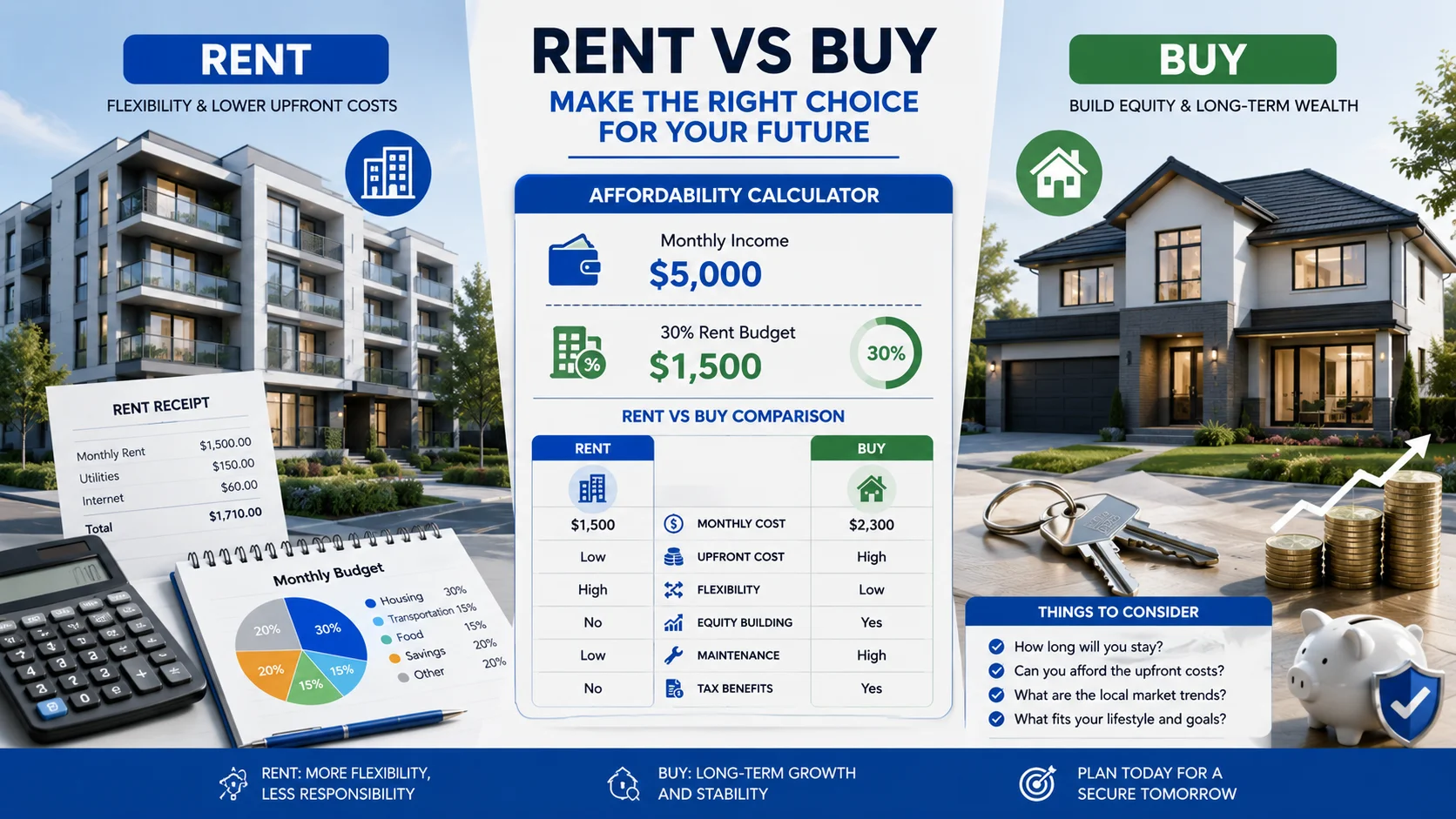
A commonly used budgeting guideline is to keep housing costs around 30% of gross monthly income. However, this is only a general rule and may not work for everyone.
For example, if your gross monthly income is $5,000:
30% × $5,000 = $1,500
That means $1,500 could be used as a starting point for a rent budget.
But your personal situation matters. Someone with significant debt, transportation costs, childcare expenses, or other financial obligations may need to spend less on rent.
A better approach is to consider your entire monthly budget rather than relying on one percentage.
How to Make Rent More Affordable
If your preferred apartment is outside your budget, there are several ways to reduce housing costs.
Compare different neighborhoods
Rental prices can vary considerably between nearby neighborhoods. Expanding your search area may reveal more affordable options.
Consider roommates
Sharing housing can reduce the amount each person pays toward rent and utilities.
Include additional housing costs
Don’t look at rent alone. Ask about utilities, parking, internet, insurance, maintenance fees, and other recurring expenses.
Calculate your total monthly budget
Add your income and subtract essential expenses before deciding how much rent you can comfortably afford.
Consider the move-in costs
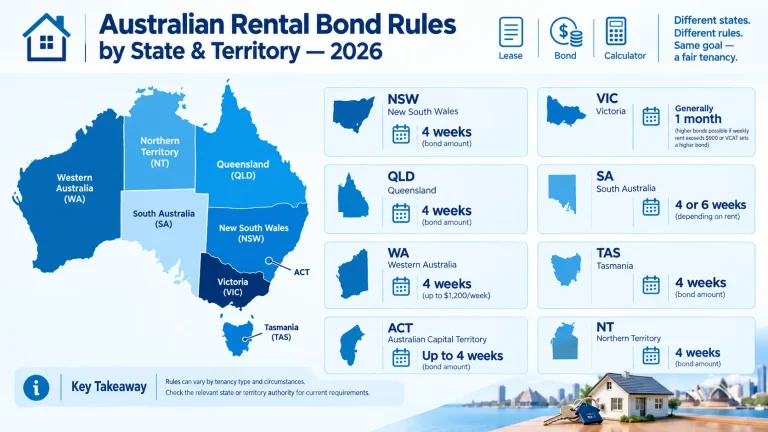
Security deposits, application fees, first month’s rent, moving expenses, and utility deposits can make the initial cost much higher than the monthly rent.
Final Thoughts
Understanding prorated rent can save you from confusion when moving into or leaving a rental property during the middle of a billing period. Instead of paying a full month’s rent, you can determine the amount associated with the days you actually occupy the property.
A prorated rent calculator makes this process faster and reduces manual calculation errors. For broader housing decisions, tools such as a rent affordability calculator, rent vs buy calculator, and rental comparison resources can help you evaluate your options more effectively.
Remember that the exact calculation method may depend on your lease agreement, landlord’s policy, and applicable local rules. Use the calculator as a convenient planning tool, then confirm the final amount with your rental agreement or landlord.
Related topics: prorated rent, pro rata calculator, rent affordability, rent vs buy, rental budgeting, and monthly housing expenses.
Frequently Asked Questions
How to calculate prorated rent?
To Prorated Rent Calculator, divide the monthly rent by the number of days used for the calculation. Then multiply the daily rent by the number of days you occupy the property.
Formula:
Prorated Rent = Monthly Rent ÷ Days in Billing Period × Days Occupied
Always check whether your lease specifies a particular proration method.
How do you calculate prorated rent?
First, determine the daily rental rate by dividing monthly rent by the applicable number of days. Next, multiply that daily amount by the number of days the tenant occupies the property.
For example, $1,800 ÷ 30 × 12 = $720.
How much rent can I afford calculator?
A rent affordability calculator estimates a reasonable rental budget based on income and other financial information. A common starting guideline is around 30% of gross monthly income, but your debts, expenses, savings goals, and lifestyle should also be considered.
Can I afford rent calculator based on income?
Yes. A rent affordability calculation can use your monthly or annual income to estimate how much rent may fit within your budget. For example, if you earn $4,000 per month and use a 30% guideline, the suggested rent budget would be about $1,200 per month.
Can I afford rent calculator based on salary?
Yes. If you know your annual salary, divide it by 12 to estimate gross monthly income and then apply your preferred housing-budget percentage.
For example:
$60,000 annual salary ÷ 12 = $5,000 monthly income
At 30%:
$5,000 × 30% = $1,500
This provides a starting estimate rather than a guarantee of affordability.